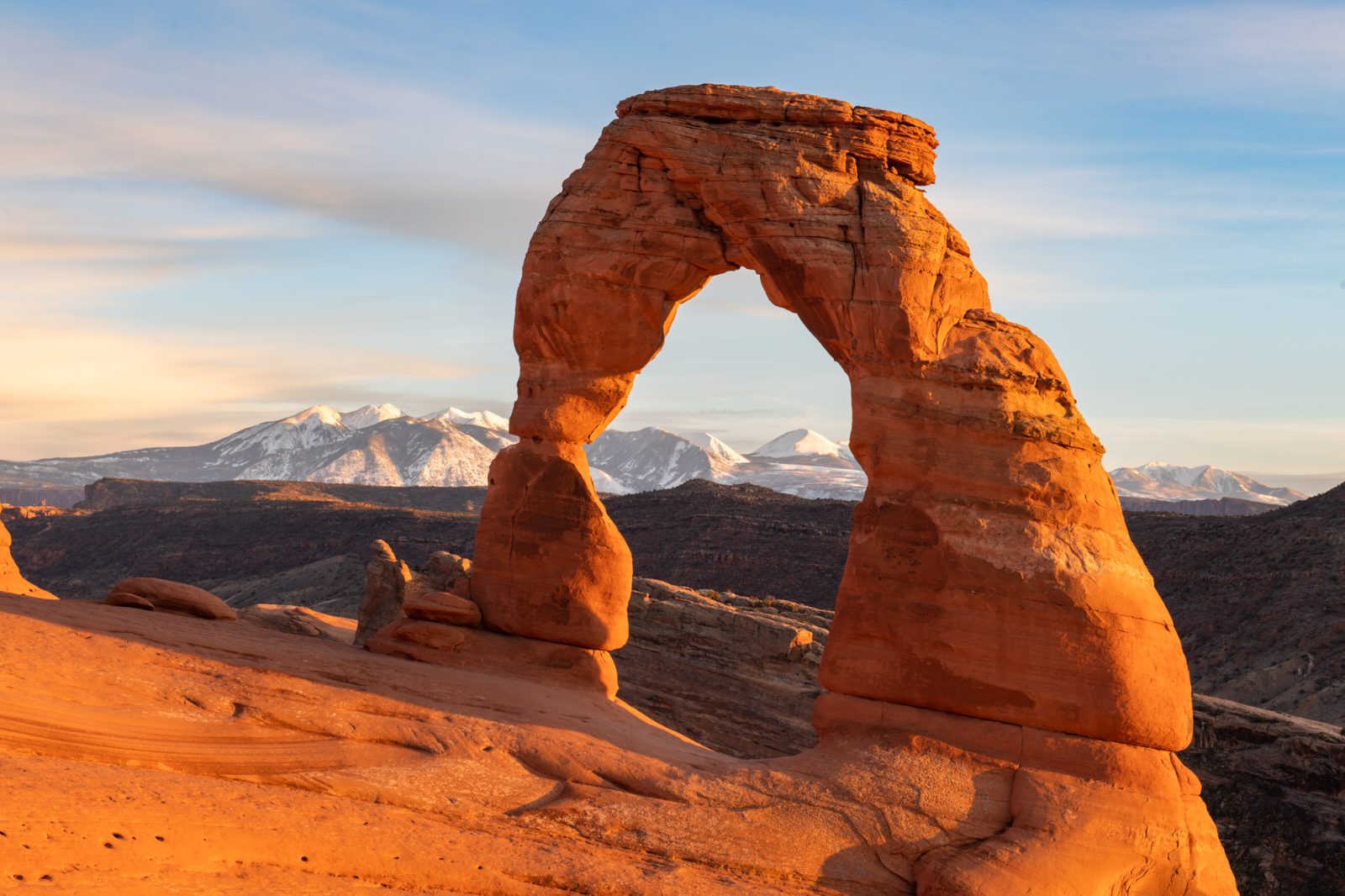
Delicate Arch
Golden hour before sunset
Position your camera to capture the arch frame against the La Sal Mountains during golden hour.

The desert landscape of Arches National Park transforms under evening light, when sandstone formations glow in shades of amber, coral, and crimson. This guide covers the practical details for planning a sunset visit: which formations to prioritize, when to arrive, and what conditions to expect as daylight fades over the red rock formations north of Moab.
Quick answer
A moab arches sunset tour typically begins with arrival between 3:00 PM and 6:00 PM, allowing time to reach key formations before the golden hour starts around 7:00 PM in summer and 5:30 PM in winter. Delicate Arch, Balanced Rock, and the Windows Section offer the most dramatic evening views. The park remains open after dark, so visitors can stay to photograph twilight colors and watch stars emerge over the Colorado Plateau.
Arches National Park holds the world's highest concentration of natural sandstone arches—more than 2,000 documented formations carved by 300 million years of erosion, uplift, and frost wedging. Most visitors arrive at midday, when overhead sun flattens the landscape and surface temperatures exceed 100°F in summer. Evening light changes the geometry: low-angle rays illuminate vertical faces, deepen shadows in alcoves, and saturate the iron oxide that gives Entrada and Navajo sandstone their red-orange hue. A sunset tour of the arches requires decisions about distance and position. Delicate Arch, the park's most photographed formation, sits 1.5 miles from the Wolfe Ranch trailhead via a steep, exposed path that climbs 480 feet. The arch frames the La Sal Mountains to the east, and at sunset the stone glows while the sky behind it deepens to violet. The round-trip hike takes two to three hours; most visitors start between 4:00 PM and 5:00 PM to reach the arch before peak color. The Windows Section—a paved loop accessing North Window, South Window, and Turret Arch—offers closer formations with minimal elevation gain, suitable for families and visitors who prefer shorter walks. Balanced Rock, visible from the main park road, requires no trail access and photographs well against the evening sky. Light shifts quickly once the sun nears the horizon. The golden hour—the period when direct sunlight turns warm and shadows lengthen—lasts roughly 45 minutes before sunset, then transitions into blue hour as indirect light dominates. Photographers working at Delicate Arch or the Windows should arrive early to secure position and test compositions in changing light. Temperatures drop 20 to 30 degrees after sunset, even in summer; layered clothing and headlamps become necessary for the return walk. The park's远离 urban centers and low humidity create exceptional conditions for astrophotography once twilight ends. Visitors planning a moab arches sunset tour should confirm current road conditions and trail closures, as flash floods and rockfall occasionally limit access to sections of the scenic drive and backcountry routes. The experience depends on preparation. Water requirements double in heat, and no services exist inside the park beyond vault toilets at trailheads. Cell reception is absent throughout most of the park. A sunset visit rewards those who plan the route, pack for temperature swings, and allow enough time to move safely in fading light.
“Light shifts quickly once the sun nears the horizon, and the golden hour lasts roughly 45 minutes before the landscape transitions into blue hour.”
The best arrival window for a sunset tour is 15:00–18:00. This timing avoids midday crowds and peak heat while ensuring sufficient time to reach vantage points for evening light.
Mild temperatures 60°F–80°F. Ideal conditions for desert hiking and photography.
Extreme heat often exceeding 100°F. Require hydration and mid-afternoon shade.
Cooler temperatures 50°F–75°F. Reliable, clear skies for sunset viewing.
Cold conditions 30°F–50°F. Potential for snow and icy trail conditions.
Verdict: Visit Tuesday to Thursday during April or October for the most manageable crowds and comfortable weather conditions.
This itinerary suits visitors arriving mid-to-late afternoon who want to experience iconic arches while ending at a prime sunset viewpoint. Plan for 3–4 hours from park entry to last light.
Stop briefly at the visitor center 5 miles north of Moab to pick up a map and check current sunset time. The drive into the park begins climbing immediately.
Drive to the Windows Section (9 miles from entrance) and walk the easy loop to North and South Window arches, then stop at Balanced Rock on the return. Budget 45 minutes for both.
Continue to the Lower Delicate Arch Viewpoint for a distant but unobstructed view of Utah's most recognized arch. The upper viewpoint requires a 3-mile round-trip hike; skip it if sunset is your priority.
Head north along the main park road to Devils Garden, the trailhead area that offers open western views. Arrive 30–45 minutes before sunset.
Position yourself at Park Avenue Viewpoint or any pullout along the scenic drive with clear western exposure. The fins and towers catch deep orange light as the sun drops behind the La Sal Mountains.
Arches National Park is located 5 miles north of Moab on US 191. Visitors approaching from the Moab area utilize this primary route to reach the park entrance.
US 191 North from Moab
US 191 North from Moab
The park entrance is situated directly off US 191. Please confirm your specific tour meeting point, as some operators may gather in Moab rather than at the park entrance.
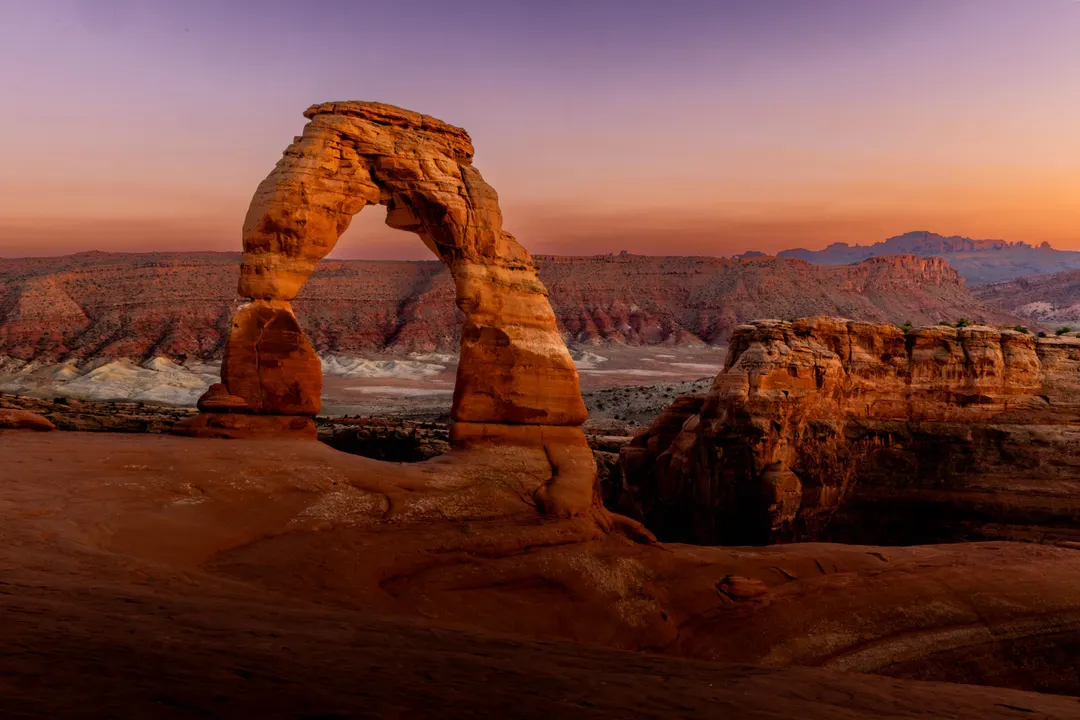
Golden hour before sunset
Position your camera to capture the arch frame against the La Sal Mountains during golden hour.
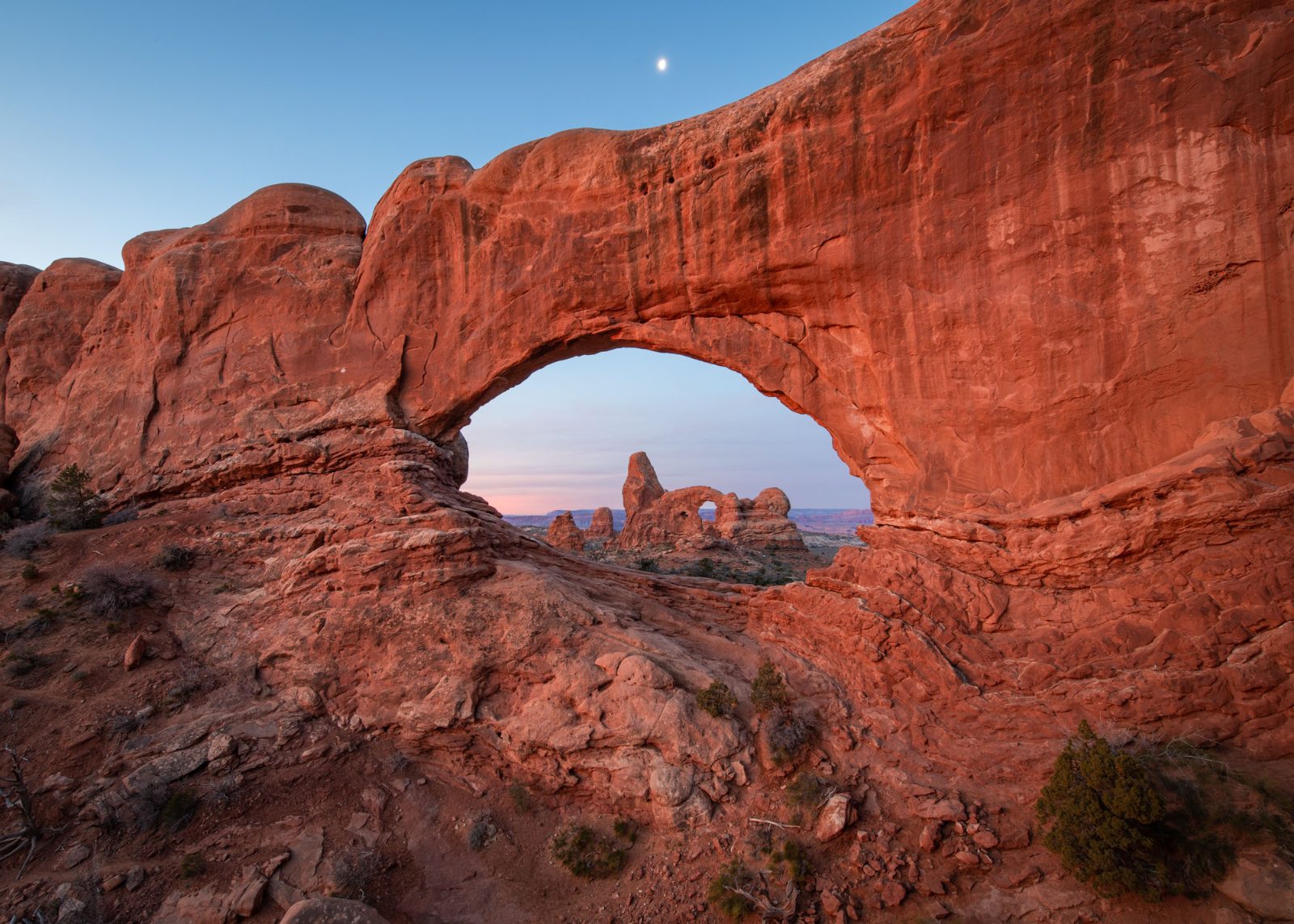
Late afternoon to sunset
Frame North Window through Turret Arch for a layered rock formation composition.
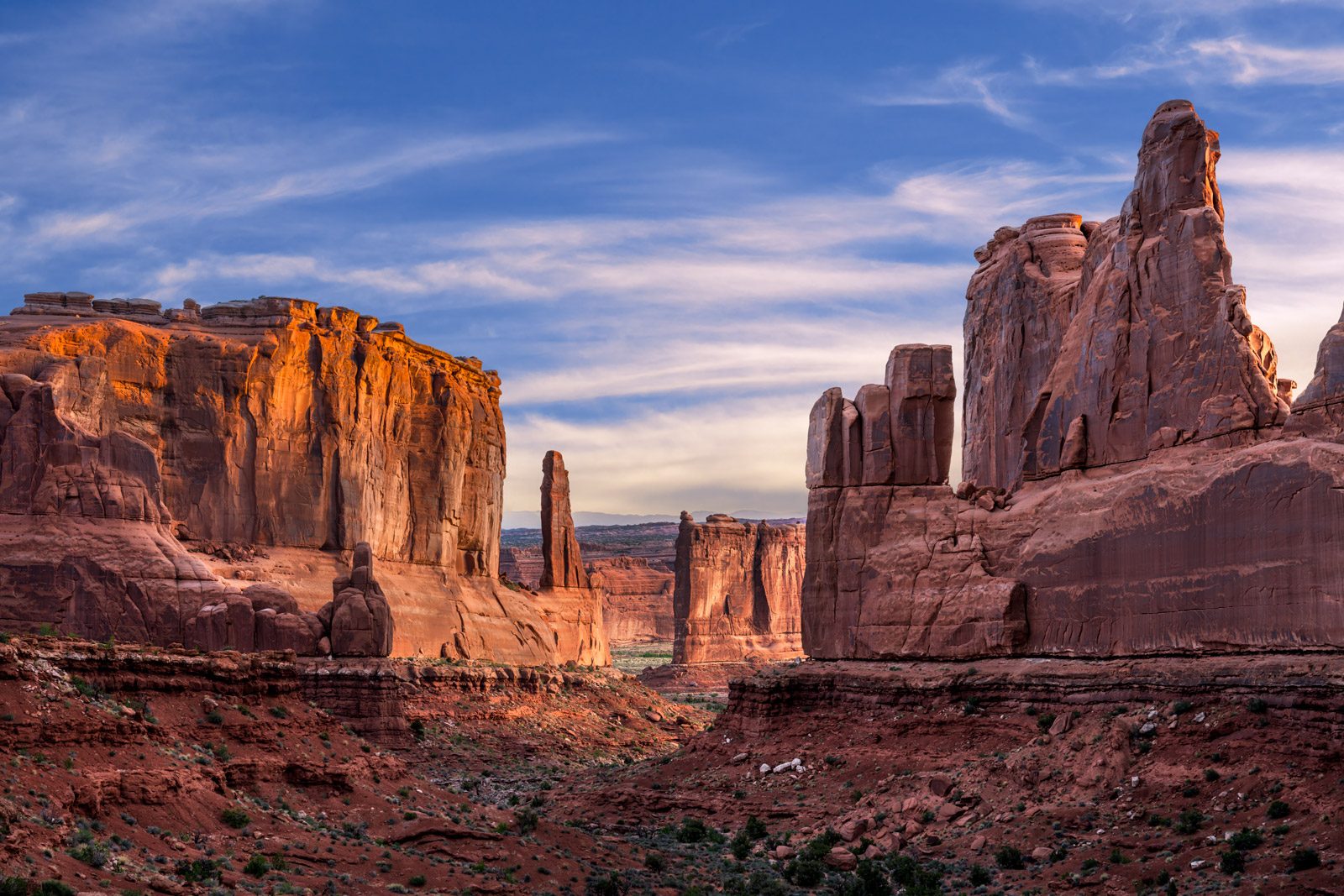
Late afternoon
Capture the long shadows stretching across the towering monoliths from the trailhead viewpoint.
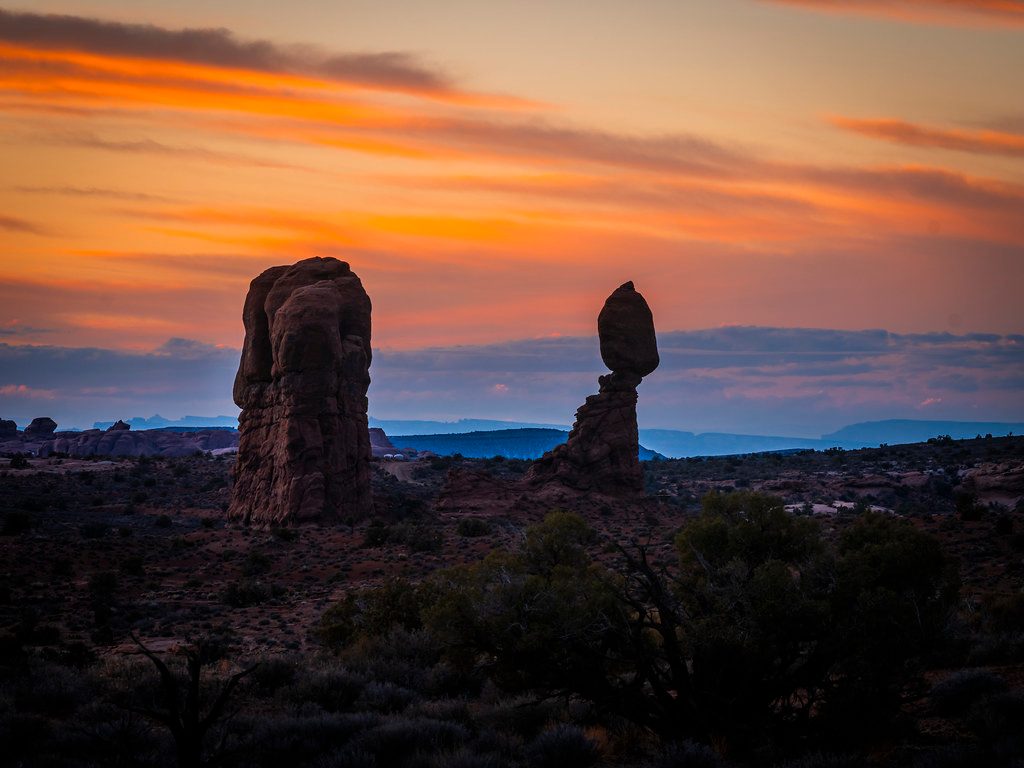
Sunset
Shoot from the north side to silhouette the rock against the changing colors of the sky.
Arches National Park remains accessible daily, allowing visitors to remain within the park throughout the evening hours for sunset viewing.
Prepare for temperature swings, low light, and limited services once inside the park.
Everything you need to know about moab arches sunset tour
A visit during the golden hour allows you to see the sandstone formations transform as the desert light fades. Many travelers find that exploring these geological landmarks in the evening offers a cooler climate compared to midday. Planning a moab arches sunset tour provides a structured way to experience the transition from daylight to dusk. You can observe the changing colors on the delicate arch structures and surrounding mesas.
Guided tours for evening exploration are coordinated through various local providers who manage logistical arrangements. These excursions typically focus on photography or geology and provide professional insight into the park environment. When scheduling your excursion, ensure you review the operator requirements through the provided booking widget. A professionally led moab arches sunset tour often includes transportation services to navigate the park efficiently.
The recommended arrival window for optimal visitation is 15:00–18:00. This timeframe helps you avoid the most significant crowds and the peak intensity of the summer sun. Arriving within these hours ensures you are positioned comfortably before the light begins to change across the landscape.
Most standard visitor excursions do not list specific age barriers, though activities involve walking on uneven desert terrain. Guardians should evaluate if the physical activity level of the chosen path is appropriate for their children. Always check with the specific operator to confirm their internal safety policies before finalizing your plans.
The standard park entrance fee is 30 USD per private vehicle, which covers your access to the park grounds. Please note that this fee is paid to the National Park Service and is separate from any costs associated with external tour operators. You should confirm if your tour provider includes this fee in their logistics or if you must provide your own pass.
Essentials for an evening desert trip include plenty of water, sunscreen, and appropriate footwear for sand and rock. You may also want to pack a light jacket, as temperatures can drop quickly once the sun dips below the horizon after your moab arches sunset tour concludes. Bringing a camera or binoculars can enhance your observation of the distant rock formations.